
Why Miami is the Perfect Historical Fiction Setting
June 8, 2026
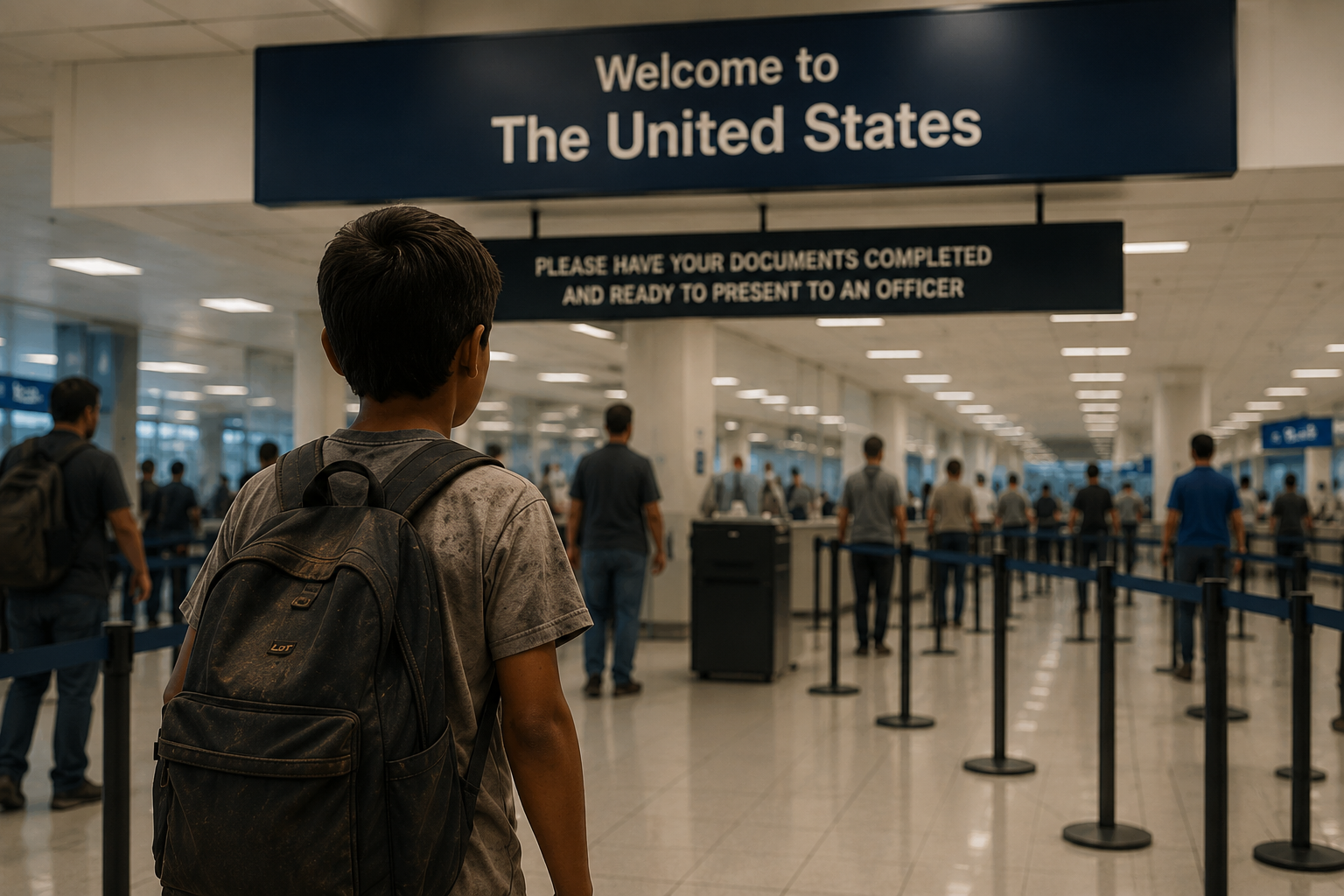
Miami is the ideal setting for historical fiction because it serves as a high-stakes crossroads of international culture, rapid urban evolution, and the relentless pursuit of the American Dream. Its unique blend of tropical aesthetics, historical volatility, and diverse immigrant narratives provides a deeply atmospheric and emotionally resonant backdrop for complex storytelling.
What makes Miami a unique setting for historical fiction?
To understand why Miami is such a potent setting for historical fiction, one must look beyond the postcard-perfect beaches and neon lights. Unlike many older American cities with centuries of established tradition, Miami is a city that has reinvented itself multiple times over the last century. For a writer like René M. Cibrán, this volatility is a goldmine. In The Land of Opportunities , the city isn’t just a location; it is an active participant in the characters' journeys.
Historical fiction thrives on conflict and change, and Miami’s history is defined by both. From the land boom of the 1920s to the cultural shifts of the 1960s and the explosive growth of the 1980s, the city has always been a place where the old world meets the new. This friction creates a natural tension for characters who are trying to preserve their cultural heritage while simultaneously forging a new identity in a foreign land.
Furthermore, the geography of Miami—its proximity to the Caribbean and Latin America—makes it a natural stage for stories of migration and refuge. The physical environment, characterized by sweltering heat, sudden tropical storms, and the vast expanse of the Atlantic, mirrors the internal turbulence of those who have risked everything to find success on its shores. In historical fiction, the environment should reflect the stakes, and in Miami, the stakes are always high.
The Influence of Miami’s Cultural Mosaic
The sheer diversity of Miami is perhaps its greatest asset as a literary setting. It is often described as the "Capital of Latin America," a title that hints at the layers of influence that have shaped its streets. For the characters in The Land of Opportunities , this cultural mosaic offers both comfort and challenge.
Imagine walking down a street in 1980s Little Havana or South Beach. You aren't just hearing English; you are hearing a symphony of Spanish dialects, Creole, and Portuguese. You are smelling the rich aroma of Cuban coffee, the salt air of the ocean, and the exhaust of a city in the midst of a massive expansion. This sensory richness allows historical fiction to come alive.
By placing a story in Miami, an author can explore global themes through a local lens. The struggles of a single family in the novel reflect the broader geopolitical shifts of the era. Whether it is the impact of the Mariel boatlift or the economic shifts brought about by international trade, Miami provides a micro-level view of macro-level history. This makes the narrative feel both intimate and epic—a hallmark of great historical fiction.
How did 1980s Miami shape the immigrant experience?
The 1980s represent one of the most transformative and tumultuous decades in Miami’s history. It was an era of unprecedented growth, but also one of significant social and economic upheaval. For the protagonists of The Land of Opportunities , this era provided a landscape of both immense danger and limitless potential.
During this time, the city was a boiling pot of ambition. The "American Dream" was not just a distant concept; it was something tangible that could be achieved through grit and perseverance. However, the path to that dream was often obstructed by the realities of the time. The 1980s saw Miami grappling with the complexities of integration, the rise of new industries, and the challenges of a rapidly changing demographic. This environment forced immigrants to be resilient, resourceful, and fiercely loyal to one another.
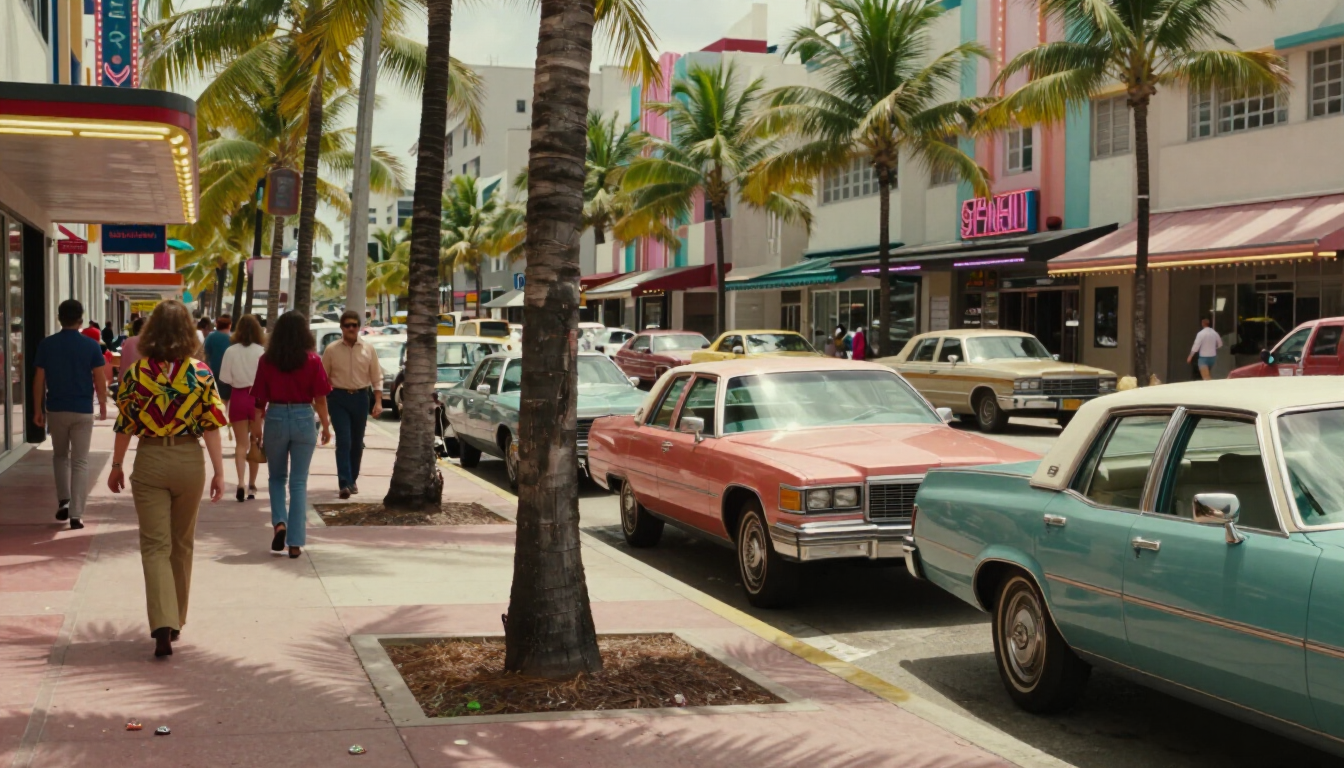
In the novel, this historical context is used to test the characters' values. How far will they go to succeed? What are they willing to sacrifice? The 1980s Miami backdrop provides the perfect pressure cooker to explore these questions. The era's aesthetic—the pastel Art Deco architecture, the flashy cars, and the emerging music scene—contrasts sharply with the grit and hardship faced by those working behind the scenes to build the city.
Key reasons why 1980s Miami was a land of opportunity include:
- Economic Expansion : The surge in international banking and real estate development.
- Cultural Synthesis : The blending of American capitalism with Latin American entrepreneurship.
- Social Mobility : A city where your past mattered less than your drive to succeed.
- Community Resilience : The formation of tight-knit enclaves that offered support and networking.
- Technological Shifts : The early days of modern connectivity that began to reshape how business was done.
Miami as a Gateway to the American Dream
For many, Miami was the first glimpse of a new life. It served as the gateway, the physical entry point into the promise of America. This sense of being on the "threshold" is a powerful theme in René M. Cibrán’s work. The city represents the beginning of a journey, but also the realization that the journey never truly ends.
The American Dream in a Miami context is unique. It isn't just about financial stability; it’s about the freedom to create a space for one’s heritage within the American fabric. The city allowed for a dual identity—to be fully American while remaining deeply connected to one's roots. This duality is central to the immigrant experience and is captured vividly in the setting of The Land of Opportunities .
As readers follow the characters through the streets of Miami, they are witnessing the birth of the modern city. The development of South Beach from a quiet retirement community into a world-renowned destination is a metaphor for the characters' own growth. They are building their lives alongside the city, their successes and failures intertwined with the very asphalt and sand of Miami.
Why is Miami considered a character in the novel?
In literary terms, a setting becomes a character when it influences the plot as much as any human entity. In The Land of Opportunities , Miami does exactly this. The city’s moods, its weather, and its unpredictable nature dictate the pace of the story. A sudden storm might delay a crucial meeting, or the vibrant energy of a local festival might bring characters together in unexpected ways.
You can read more about the development of these themes on The Journey page, where we explore the inspirations behind the narrative. By treating Miami as a character, René M. Cibrán allows the reader to feel the pulse of the city. It is a living, breathing entity that can be both generous and cruel. This relationship between the people and the place is what gives the novel its emotional weight.
Historical fiction often relies on the "vibe" of a place to transport the reader. In Miami, that vibe is unmistakable. It is the sound of salsa music drifting through an open window, the sight of the sun dipping below the horizon in a blaze of orange and purple, and the feel of the humid air on a summer night. These details aren't just window dressing; they are the heart of the story. They provide the context for the characters' decisions and the framework for their lives.
Historical Accuracy in The Land of Opportunities
While the characters in The Land of Opportunities are fictional, the world they inhabit is built on a foundation of historical truth. René M. Cibrán meticulously researched the era to ensure that the setting feels authentic to those who lived through it. This commitment to accuracy is what makes the book a valuable resource for those interested in the history of South Florida.
From the specific businesses that lined the streets of Little Havana to the political climate of the city commission, the novel captures a specific moment in time. This grounding in reality allows the reader to fully immerse themselves in the story. When a character faces a challenge that was common for immigrants in the 1980s, it feels real because it is rooted in the actual history of the city.
For educators and media professionals, this historical depth offers many opportunities for discussion. The novel can be used as a starting point to talk about the evolution of Miami, the impact of immigration on urban development, and the enduring power of the American Dream. We invite media inquiries and book club discussions through our Media section to further explore these connections.
Can historical fiction capture the true spirit of Miami?
The true spirit of Miami is elusive. It is a city of contradictions—opulent wealth and humble beginnings, tranquil nature and urban chaos. However, historical fiction is uniquely suited to capturing this complexity. By looking at the city through the lens of the past, we can see the patterns that have shaped its present.
The Land of Opportunities doesn't just show us what Miami looked like; it shows us how it felt . It captures the hope of the newcomer, the exhaustion of the laborer, and the triumph of the successful entrepreneur. It reminds us that the city was built on the backs of people who had the courage to dream.

In conclusion, Miami is more than just a backdrop; it is the soul of the story. Its history is a testament to the human spirit’s ability to overcome adversity and find a place to call home. Whether you are a long-time resident or a newcomer to its shores, the story of Miami is one that resonates with anyone who has ever pursued a dream against all odds.
Key Takeaways for Readers
- Miami's Dynamic History : The city’s constant reinvention makes it a fertile ground for historical narratives.
- The Immigrant Journey : The setting perfectly mirrors the themes of perseverance and cultural identity found in the novel.
- 1980s Significance : This specific era highlights the peak of the American Dream's pursuit in South Florida.
- Atmospheric Storytelling : The sensory details of Miami are essential for creating an immersive reader experience.
- Character-Setting Synergy : The city functions as an active force, shaping the destinies of the protagonists.
If you have questions about the novel or would like to schedule an interview with René M. Cibrán, please visit our Contact page. We look forward to connecting with readers who share a passion for historical fiction and the vibrant history of Miami.

Latest Posts